Smallholder farmers in Buyende District, Eastern Uganda, are reshaping their future through community learning, visioning, and innovative low-cost strategies introduced by the Inclusive Livestock Development for Smallholder Farmers (INCLUDE) project. This initiative is implemented by SNV in partnership with Coalition for Health, Agriculture and Income Networks (CHAIN Uganda) and other local service partners and is funded by the Embassy of the Kingdom of the Netherlands (EKN).
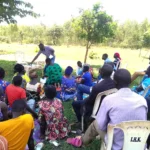
Across Buyende District, the INCLUDE project is transforming how smallholder farmers envision their futures. What began as community meetings towards the end of 2024 has evolved into a change driven by household planning, practical training, and a renewed perspective among farmers who previously struggled with low yields and unpredictable incomes.
With leadership from CHAIN Uganda, technical guidance from SNV, and support from the Embassy of EKN, these communities are witnessing what can be achieved when knowledge meets determination.
For 31-year-old Mariam Kwagala, a mother of 6 and a Participatory Integrated Planning (PIP) Innovator in Bukose, Bunangwe B Village – Buyende, the project arrived at a timely moment. Before INCLUDE, she farmed without a clear strategy, often relying on her husband to meet household needs. With the introduction of the PIP approach by CHAIN’s field trainer, Bikaba Stephen, Mariam embraced the opportunity. ‘When INCLUDE came in September 2024, I welcomed it wholeheartedly,’ she said. ‘I knew this was the chance I needed.’
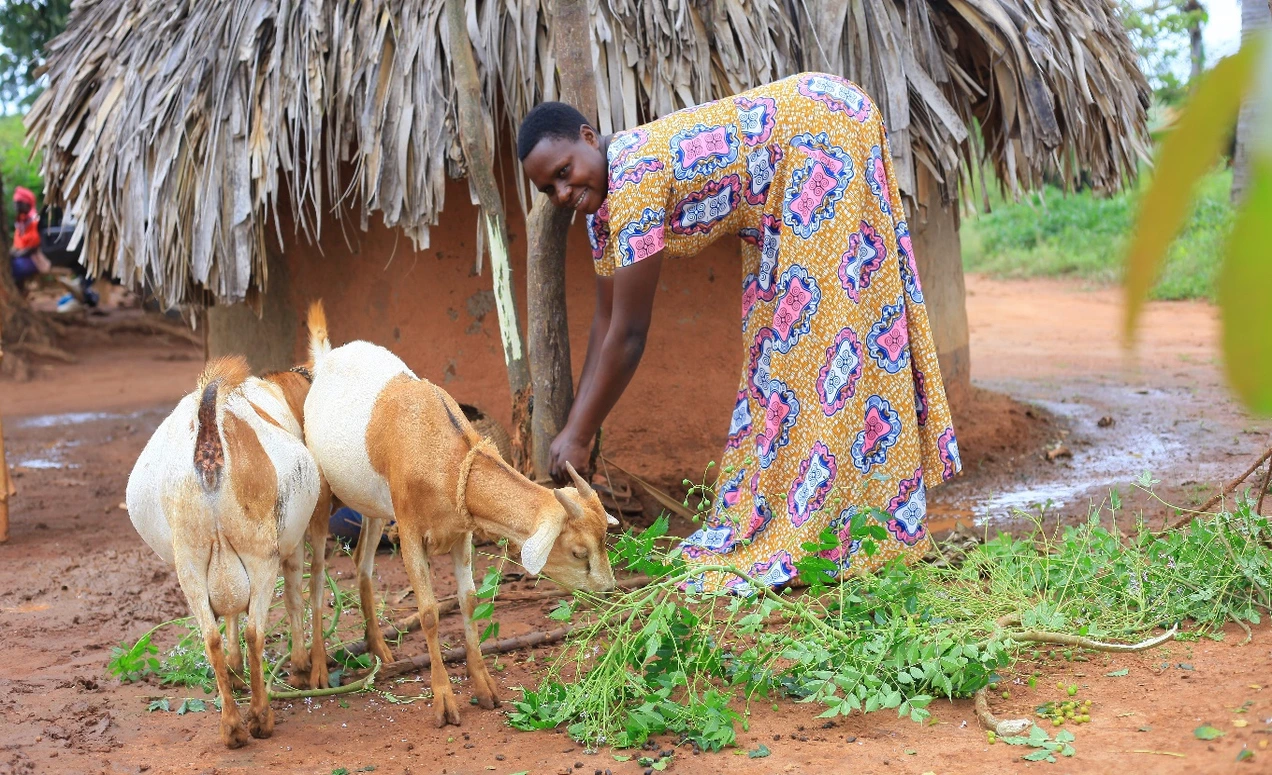
Mariam began by planting eggplants and saving just UGX 1,000 per day. Although it seemed small, her savings grew. She bought 2 chickens, which increased to 6, and she sold them. With that income, she purchased a goat. Today, she owns 3 goats, 9 ducks, a vegetable garden, and the only woman-managed banana plantation in her community.
She earns from various household sources: bananas, vegetables, and poultry, boosting her confidence as a farmer. ‘Before INCLUDE, I never understood the importance of daily income,’ she explained. ‘Today, I can support my household with confidence.’
Her story reflects a broader shift among women in Mulali Parish. Namulemu Helen, 45, shares that the project has enabled her to contribute to her household in ways she never thought possible. ‘Men have left us with the responsibility of managing the household, but INCLUDE’s PIP approach is giving us the ability to earn a living,’ she said.
Another farmer, Namukose Nulu, 35, mentions that before the project, she often had to wait for small amounts of money left at home for domestic needs. ‘Men don’t always leave money,’ she said. ‘So we grow vegetables to sustain our families.’
The INCLUDE project is inspiring young people who previously saw little future in farming. 20-year-old Byakiba John says that INCLUDE helped him understand proper manure use, banana management, and modern agronomy. His friend, 20-year-old Waiswa Paul, uses the maize bran from his harvest to feed chickens, benefiting from an additional income while stretching his resources. Meanwhile, 28-year-old Namukose Jackline encourages other youth to start small, stating, ‘Even vegetables can change your life.’ She recently earned UGX 35,000 from selling maize
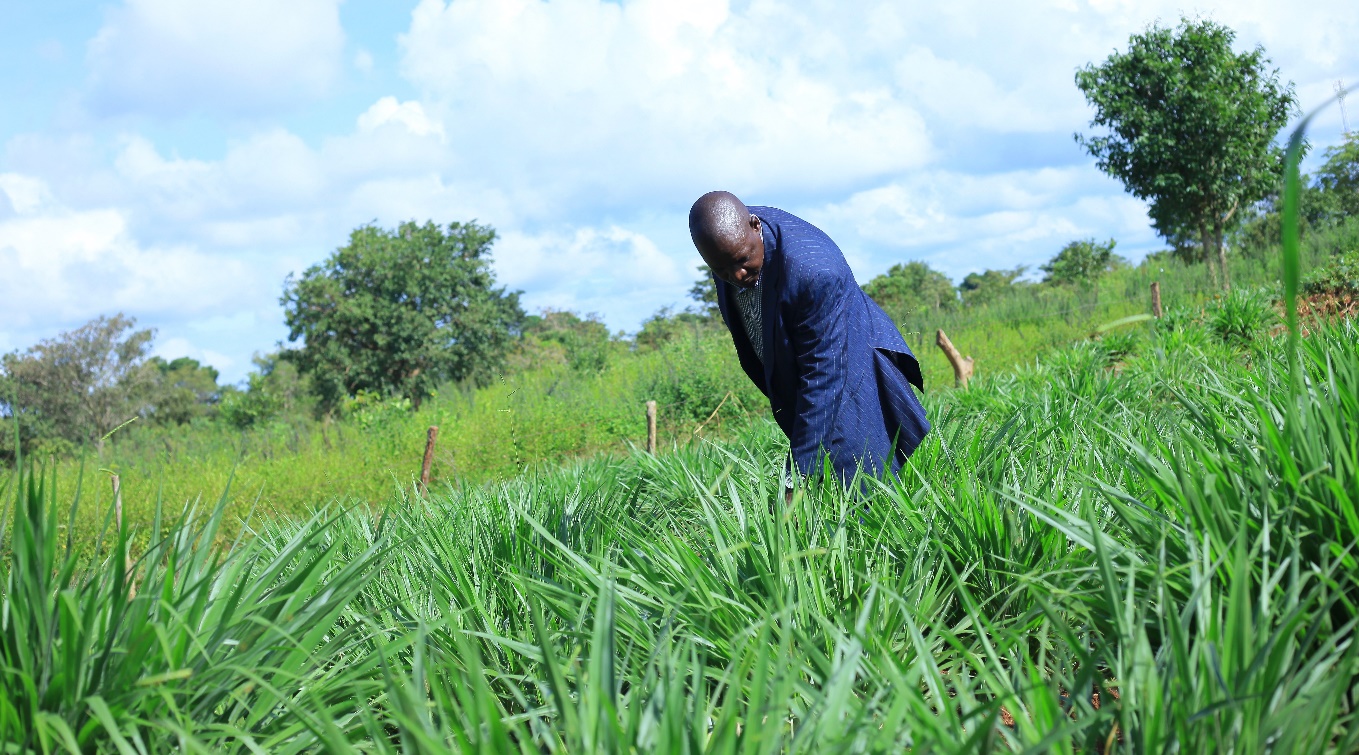
In Nkondo Subcounty, 40-year-old Katamba Robert, the chairman of the PIP community, describes INCLUDE as a turning point for men in his area. Before the project, he owned 4 cattle but had no vision for improving his farm. After receiving training in household visioning, pasture establishment, and livestock management, he now keeps 6 cattle, 3 goats, and 4 chickens. His animals produce more milk thanks to better feeding, and his perspective on household planning has completely changed. ‘INCLUDE taught us that quality feeds produce quality animals and that planning saves the household,’ he said. He intends to expand his livestock unit and build a better house for his family of fourteen in the next three years.
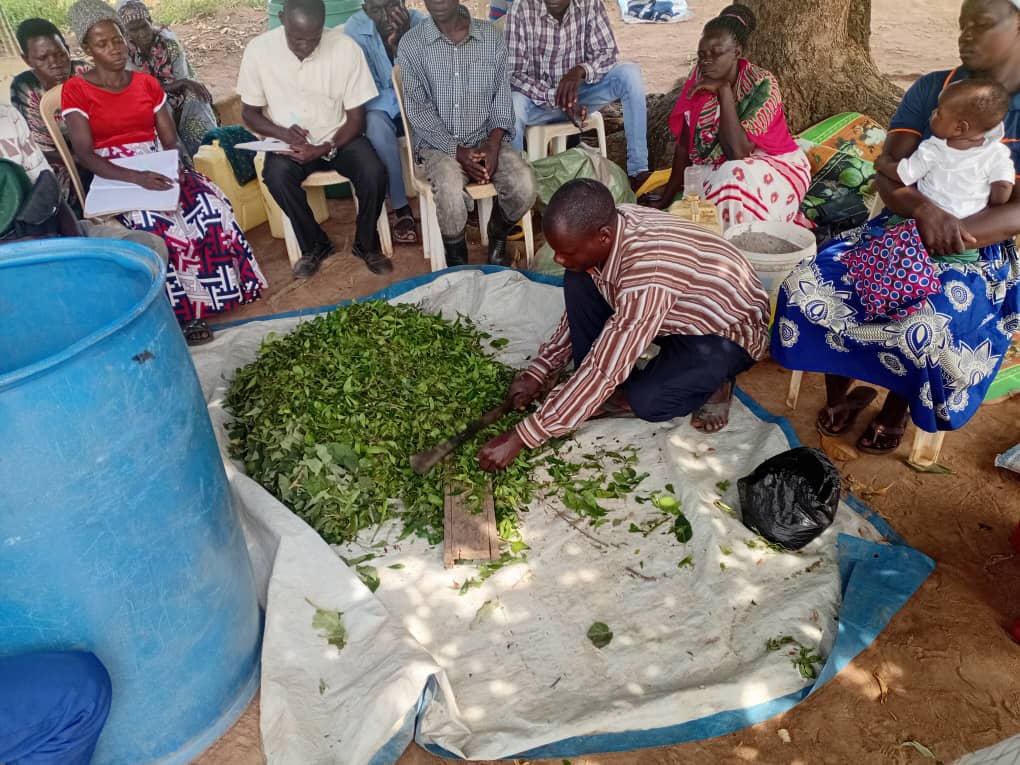
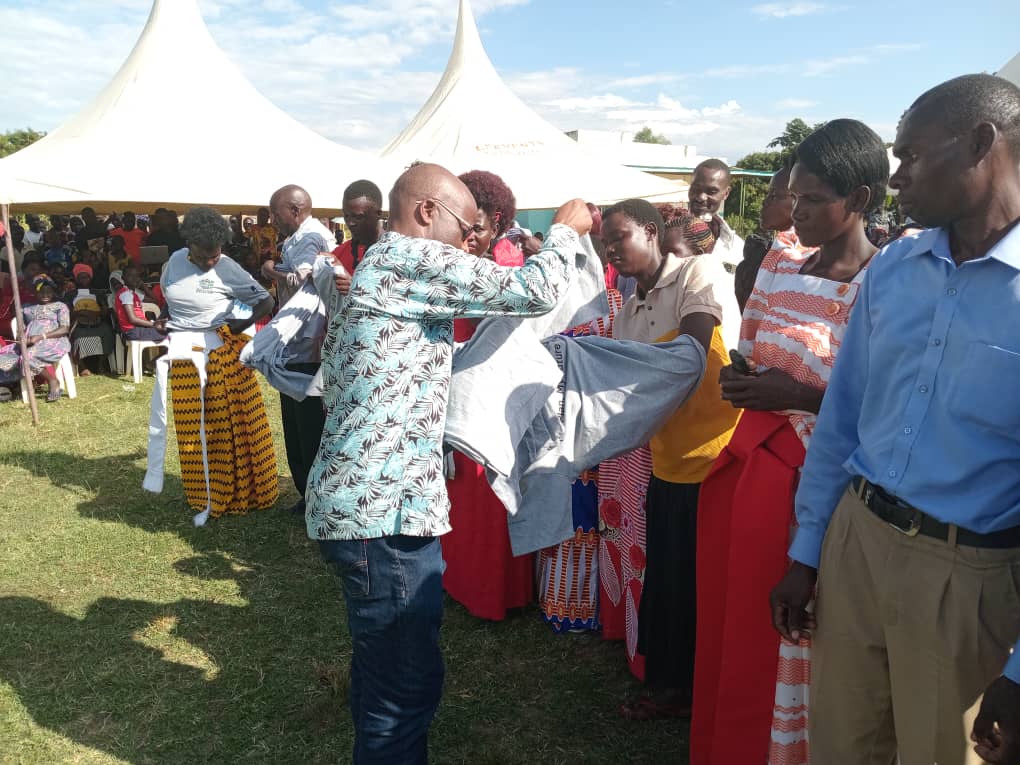
However, it hasn’t been all smooth sailing. Many farmers still lack animal shelters; for example, Mariam keeps her poultry in the kitchen because she doesn’t have the resources to build a proper shelter. Others face stigma from neighbours, who view the training sessions as a form of blame or just a waste of time.
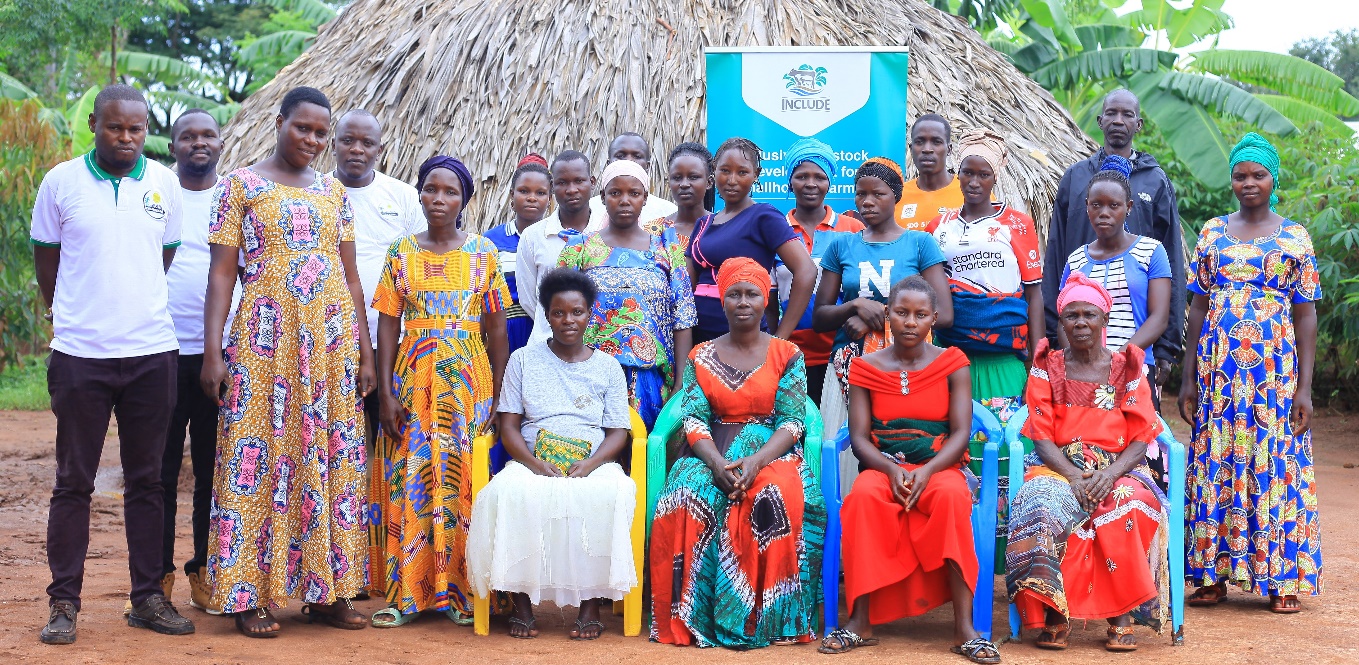
Limited access to improved seeds remains a challenge, especially for farmers interested in scaling up their practices. Despite these obstacles, farmers consistently emphasise that farmer-to-farmer learning is the most effective and culturally trusted way to share information.
What stands out across Buyende is the shift in mindset: the belief that farming, when planned, can be a source of dignity and stability. Households that once operated in survival mode are now setting goals, saving money, and investing in livestock and crops.
Women who previously waited for support are now running their own enterprises. The youth who once considered quitting farming now find meaning in it. Men who had shouldered the entire burden of providing for their families are now sharing visions and plans with their loved ones.
Through the INCLUDE project, which is a partnership between SNV, CHAIN Uganda, and the Embassy of the Kingdom of the Netherlands, farmers in Buyende are cultivating a new culture of resilience, one based on planning, collaboration, and self-belief. As Mariam reflected, ‘INCLUDE taught us to see what we already had, and how to grow it.’