CHAIN Uganda Drives Livestock Innovation with VLLG Cycle 2 in Buyende District.
Coalition for Health Agriculture and Income Networks (CHAIN) Uganda has successfully mobilized farmers in Buyende District, marking the launch of the second cycle of the Village Learning and Linking Group (VLLG) approach under the INCLUDE Project in the Busoga Region.
The INCLUDE Project is a five-year initiative funded by the Embassy of the Kingdom of the Netherlands (EKN) and implemented by SNV in Uganda, working with local partners such as CHAIN Uganda to deliver activities on the ground in targeted districts across the Busoga, Rwenzori, Greater Ankole, and Kigezi sub-regions.
As an implementing partner, CHAIN Uganda plays a central role in translating the project’s approach into action at the community level, including facilitating VLLG mobilization, training, and follow-up in Buyende District.
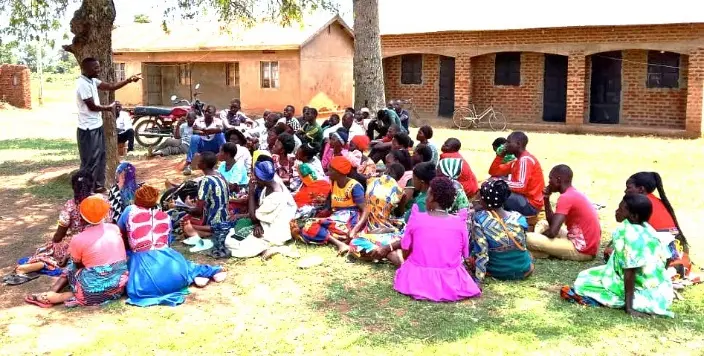
This latest mobilization builds on the momentum of VLLG Cycle 1, which registered 25 farmer groups across seven PIP communities. Cycle 2 has already surpassed that milestone, with 58 farmer groups now registered across nine communities: Iringa West, Kigingi, Malima, Nakabira, Namukunyu, Butaswa, Nsomba, Kirimwa, and Kagulu.
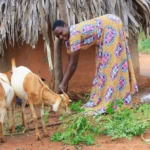
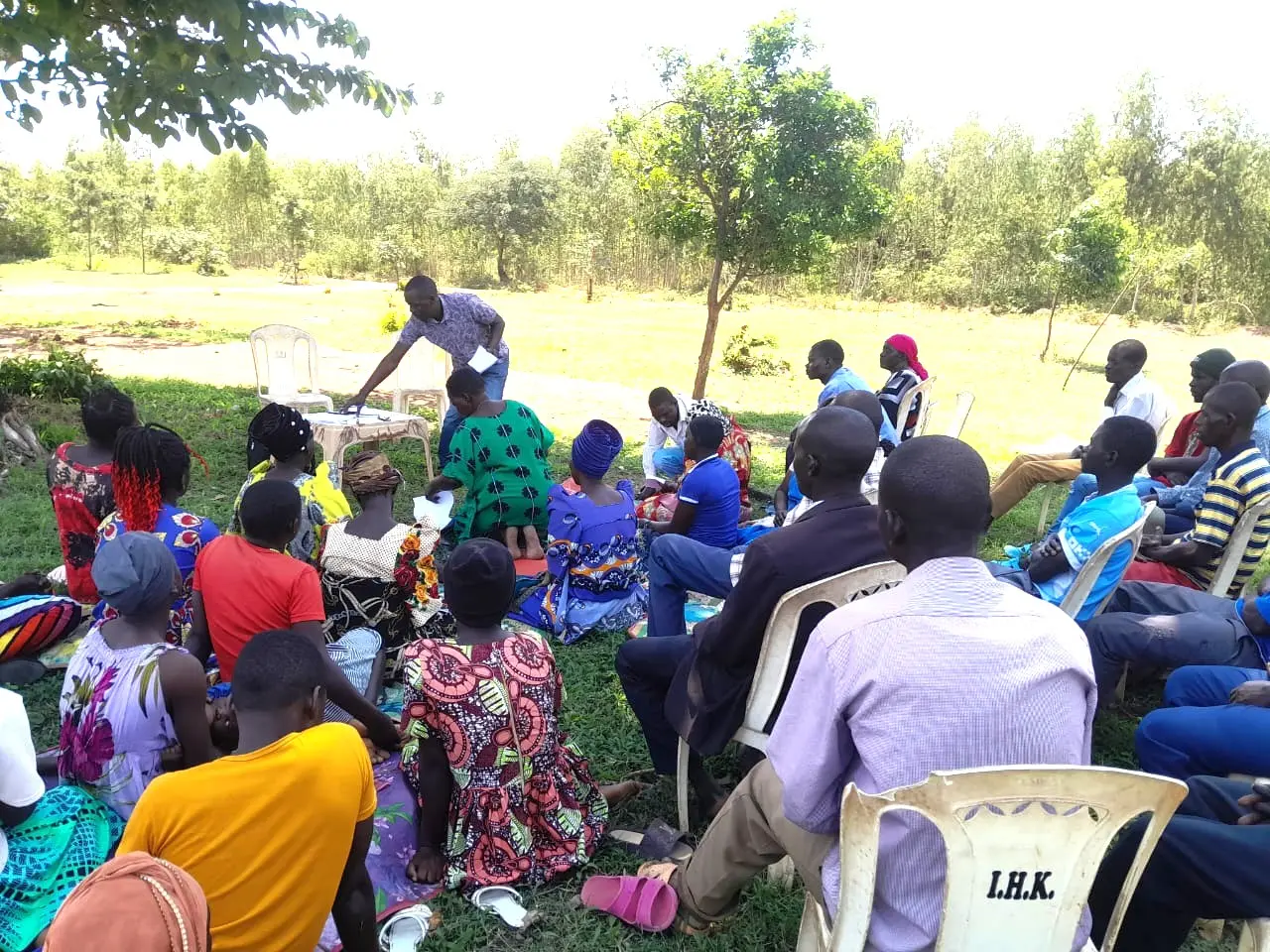
The mobilization was carried out by CHAIN Uganda’s VLLG Facilitators (VFs), who led community awareness meetings introducing farmers to four key livestock enterprises supported under the approach: poultry, piggery, dairy, and goat rearing.
Farmers were asked to select the two enterprises they were most interested in and register accordingly. To improve accessibility and encourage stronger participation, groups were organized based on proximity to nearby zones, reducing the distance farmers would need to travel for future learning sessions.
The exercise was guided by clear objectives: to consolidate lessons from Cycle 1, expand the reach of the VLLG approach to more PIP communities, and strengthen farmer organization ahead of the next phase of hands-on learning.
With registration complete, the newly formed groups will now move through the next stages of the VLLG implementation cycle. These will start with the First VLLG Meeting (Agenda Setting), where groups will confirm their leadership, agree on their innovation package, and set out the sequence of topics to be covered.
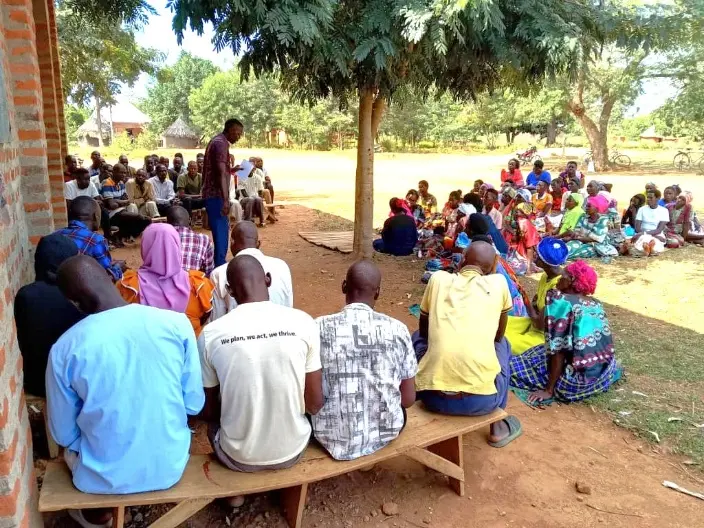
They will then go through Facilitated Learning Sessions, which will be held every two weeks and will combine group discussions, hands-on assignments, peer learning, and action planning on members’ farms.
The VLLG approach was introduced by the INCLUDE Project to help farmers adopt improved livestock practices and access appropriate technologies and inputs through targeted innovation packages.
Each VLLG typically brings together 15–30 farmers who learn by doing. The approach places strong emphasis on linking farmers to the private sector, including local input suppliers, service providers, and financial institutions, to make the adoption of new practices sustainable beyond the life of the project.
With Cycle 2 off to a strong start, CHAIN Uganda and its partners say the coming months will focus on translating this early mobilization success into sustained learning, adoption, and stronger livestock-based livelihoods for farming households across Buyende District.